The Three Core Shifts Driven by AI
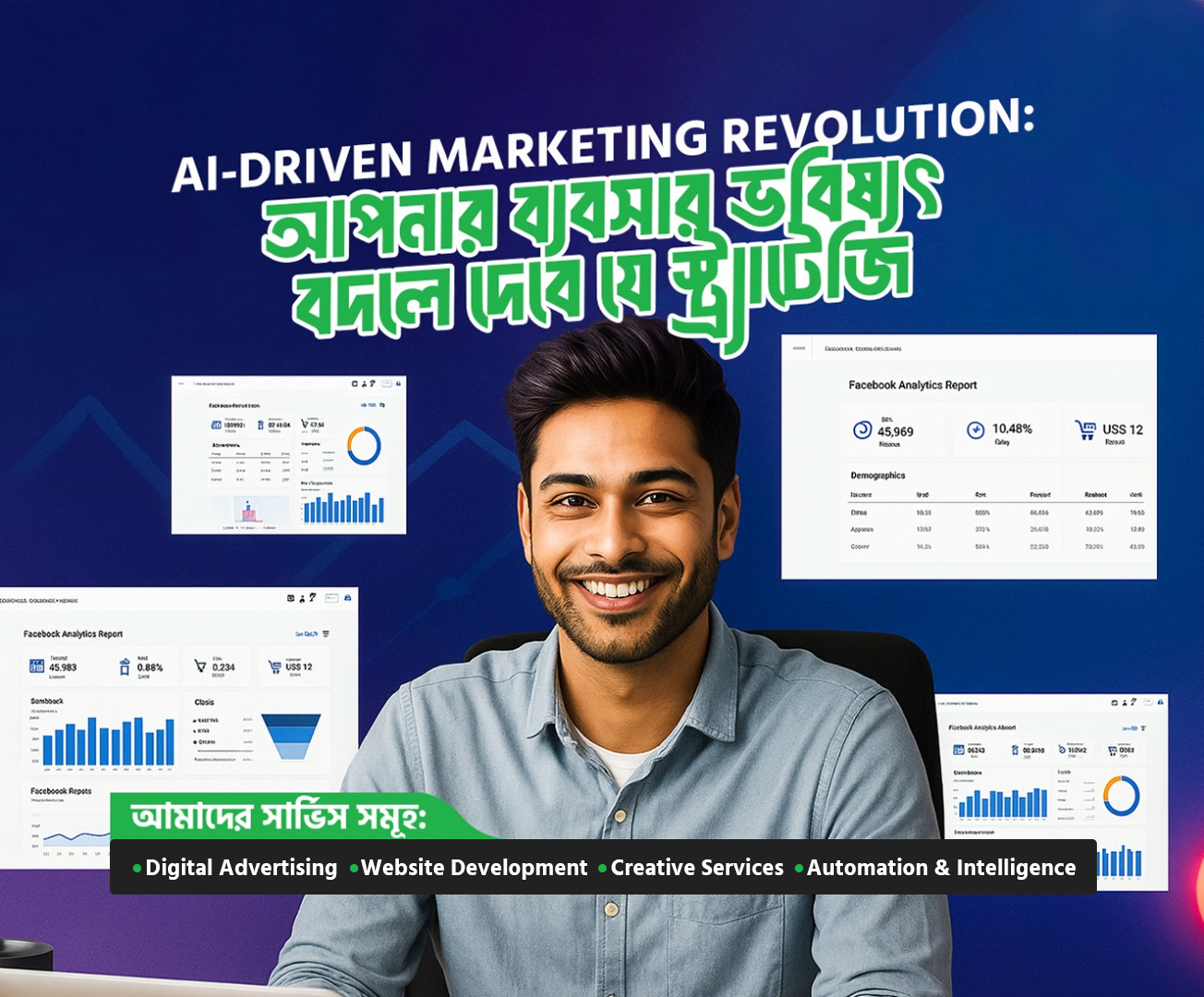
AI is fundamentally changing how we approach advertising and customer experience, moving marketing from reactive analysis to proactive prediction.
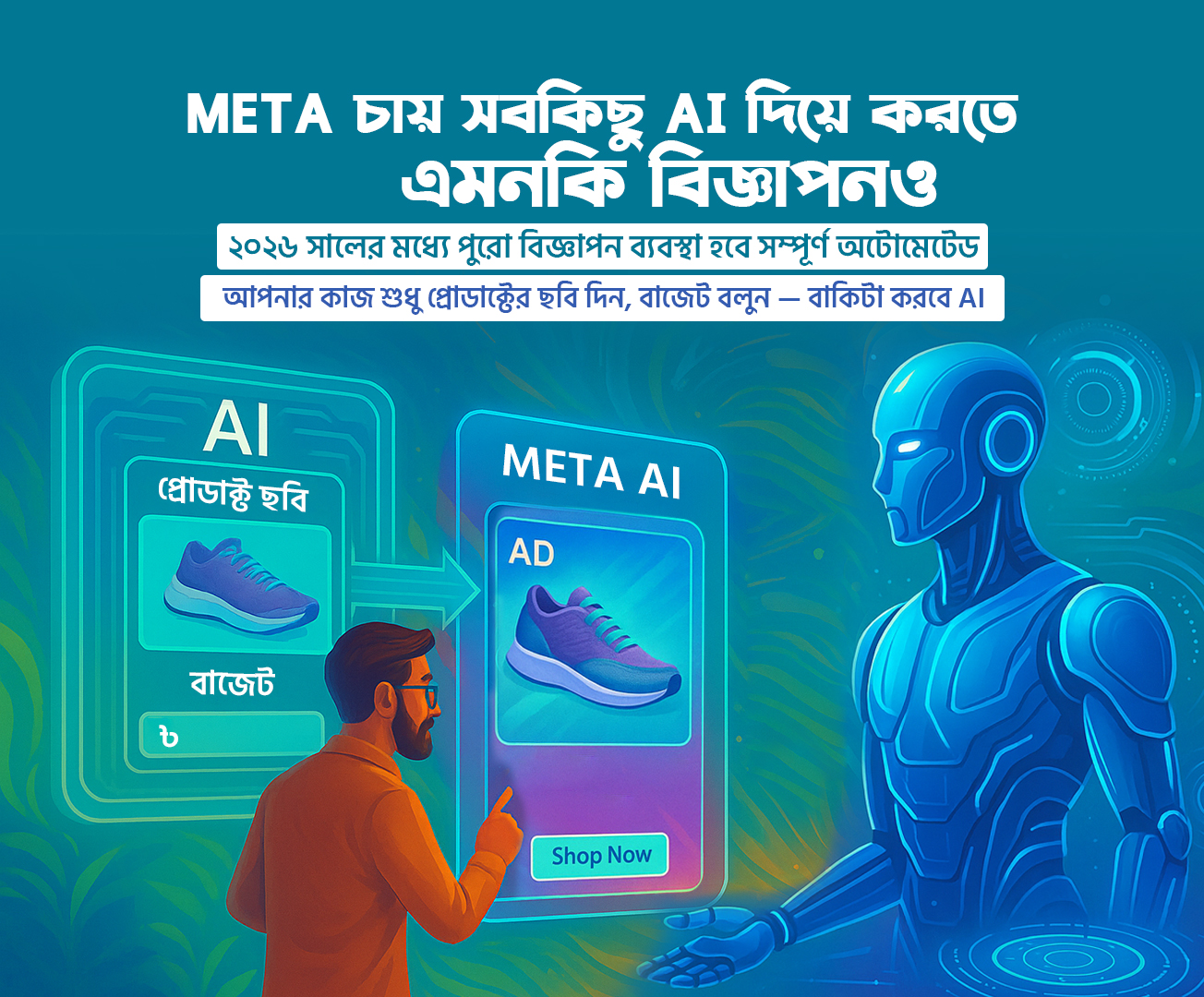
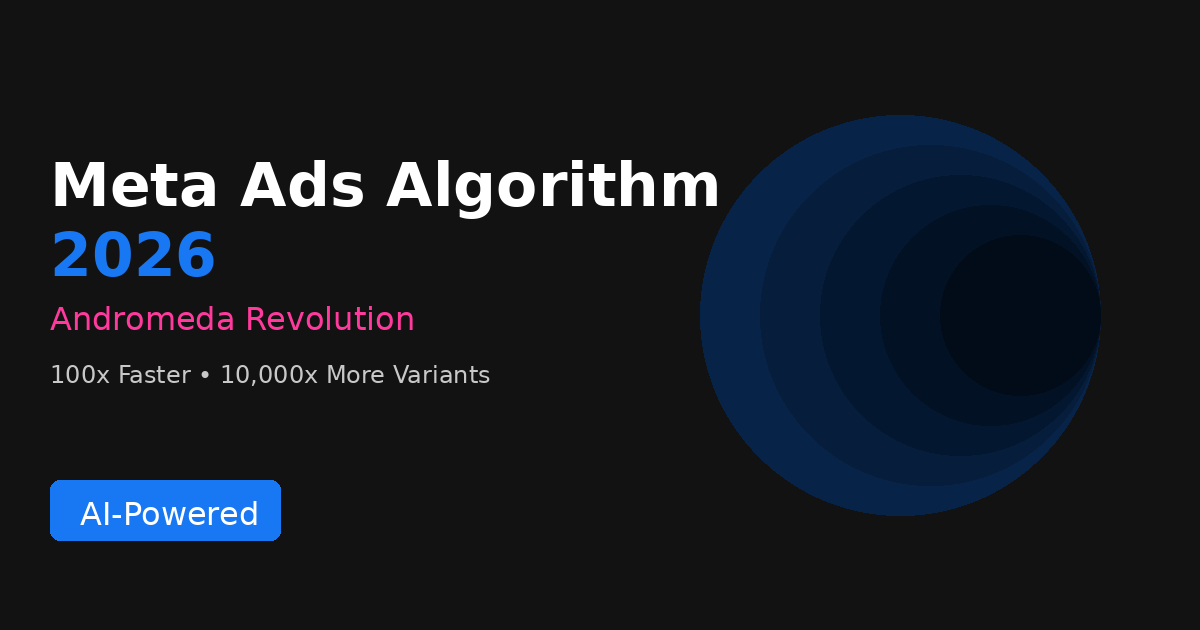
1. AI-Driven Targeting: The End of Guesswork The biggest change is in audience targeting. Platforms like Meta and Google are shifting full control of audience discovery to their AI systems (like Meta's Advantage+ and Google's Performance Max).
• From Segments to Signals: Marketers are no longer manually stacking dozens of interest categories. Instead, we provide the AI with broad parameters and high-quality creative, and the algorithm uses billions of real-time data signals (behavior, context, time of day) to find the most likely buyer.
• The Creative is the Target: Since the AI handles the "who," the marketer’s job is now to master the "what." You must provide a highly diverse range of ad creatives that act as a signal to the AI, allowing the system to match the right ad to the right person at the right moment.
2. Predictive Analytics: Seeing the Future of Performance AI transforms data analysis from looking at the past into predicting the future.
• Forecasting ROAS: AI tools can analyze your current campaign data and predict which customers are most likely to convert and at what value, allowing the systems to bid intelligently based on projected Return on Ad Spend (ROAS). This means the system prioritizes not just a sale, but a profitable sale.
• Budget Automation: Budgets are no longer fixed and rigid. AI dynamically allocates money across different channels, placements, and creatives based on real-time predictive performance. If Instagram Reels are driving high-value sales today, the AI shifts more budget there automatically.
3. Hyper-Efficient Automation AI takes the repetitive, time-consuming tasks off the marketer’s plate, freeing them up for strategy and high-level creative work.
• Dynamic Creative Optimization (DCO): AI automatically combines different headlines, descriptions, images, and CTAs to create thousands of ad variations, then serves the best-performing combination to each user segment. This testing used to take human teams weeks- now it happens instantly.
• Content Generation: AI assistants are accelerating the creation process, from drafting dozens of ad headlines and descriptions to generating initial image concepts, making it easier for marketers to keep up with the constant demand for fresh content.
How You Can Stay Ahead in the AI Era
To thrive, you must shift your mindset from being a technician (managing small settings) to being a strategist (guiding the machine).
1. Become a Creative Powerhouse: Your greatest competitive advantage is no longer your targeting sheet, but your creative quality. Invest heavily in understanding what makes compelling, diverse, and high-performing video and static creative. Learn to speak to different audiences with different angles.
2. Focus on Data Quality, Not Quantity: Since the AI is doing the targeting, your job is to give it accurate data. Ensure your Meta Pixel and Conversion API are set up perfectly to feed the AI reliable purchase and customer value data. Bad data makes for a bad AI system.
3. Master the 80/20 Rule: Dedicate 80% of your time to high-level strategy and creative brainstorming, and only 20% to execution and low-level adjustments. Let the Advantage+ and Performance Max systems handle the day-to-day bidding and placement decisions.
4. Embrace Broad Over Narrow: Trust the algorithms. Use simpler campaign structures and broader targeting to give the AI the freedom it needs to learn and find your best customers efficiently.
The future of digital marketing isn't about replacing marketers with AI; it's about giving smart marketers AI superpowers.